Best Contraceptive Pill
How to choose the right pill to suit you

Medically reviewed by
Dr. IkejiLast reviewed: 11 Jun 2025
Contraception, also known as ‘birth control’, has an important role in family planning, sexual health, and preventing pregnancy. With so many different types of contraception to choose from, it’s important to find the method that best suits your needs, lifestyle, and preferences.
Choosing the right form of contraception provides peace of mind, control over your reproductive health, and can help prevent the spread of sexually transmitted infections (STIs).
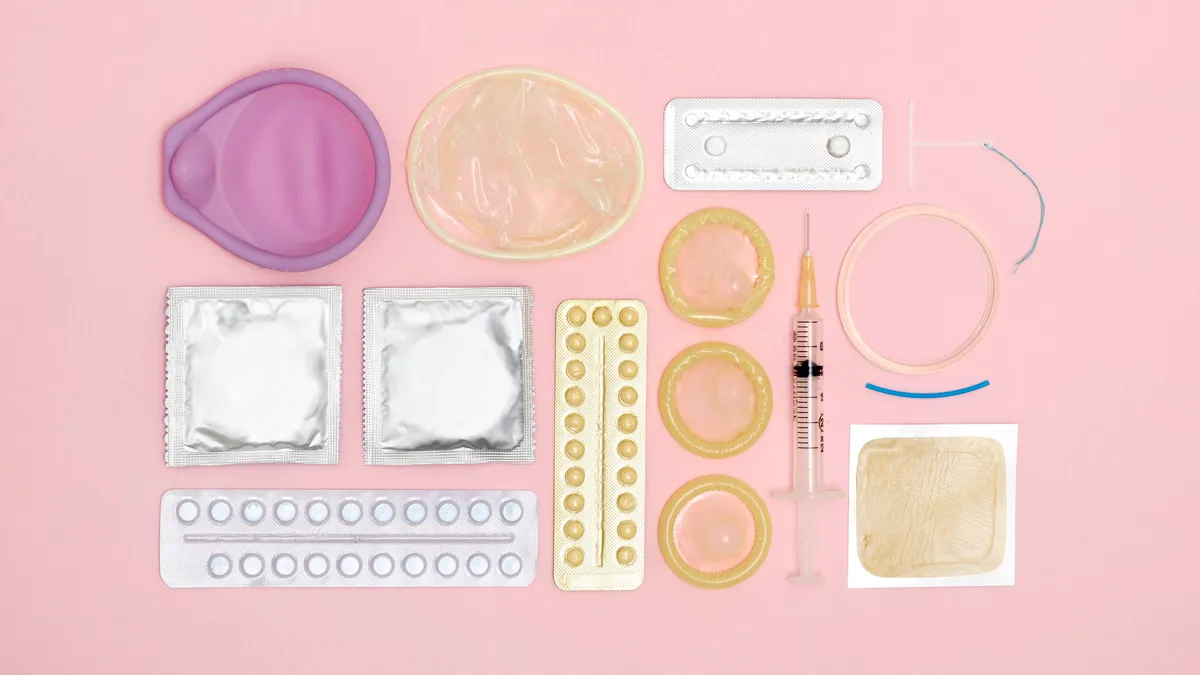
In this article, we’ll explore the main contraception methods, including hormonal, barrier, intrauterine devices (IUDs), permanent solutions, natural methods, and emergency contraception.
Hormonal contraception contains synthetic hormones to regulate the menstrual cycle and prevent pregnancy. Several methods are available, each with its own mechanism of action, benefits, and side effects. Here, we explore the 5 common hormonal contraception options: contraceptive pills, patches, injections, implants, and vaginal rings.
Oral contraceptive pills are the most common birth control method used by people under 35. There are 2 types of pill available:
Both types work by stopping your ovaries from releasing an egg (ovulation), but they can also thicken cervical mucus to make it harder for sperm to reach an egg, and thin the womb lining to stop an egg from implanting itself.
The combined pill and most progesterone-only pills (mini pills) are prescription-only, but Hana is an over-the-counter mini pill.
When taken correctly, both the combined and mini pill are more than 99% effective at preventing pregnancy. However, this figure is closer to 91% for both types of pill when typical use, such as forgetting to take it and illness, like sickness and diarrhoea, are considered.
Not everyone who takes the combined or mini pill will get side effects, but some will, and they can vary. They are often most common during the first 3 months of starting the pill as your body gets used to the medication.
Common side effects of the combined pill include:
Common side effects of the mini pill include:
Rarely, hormonal pills can cause a blood clot, causing symptoms such as:
If you experience any of these effects, you should stop taking the pill and call 999.
Contraceptive patches, like the Evra Patch, are small, sticky, topical contraception methods that release hormones, similar to the pill. The main difference is that they release hormones into the bloodstream through the skin instead. By releasing oestrogen and progesterone, the patch prevents ovulation and thickens cervical mucus to reduce the risk of pregnancy.
Contraceptive patches require a prescription and are applied weekly to your skin for 3 weeks, followed by a patch-free week. They can be a good alternative to the combined pill because they need to be changed once per week rather than needing to be taken daily.
When used perfectly, the contraceptive patch is more than 99% effective. However, typical use, such as the patch falling off or missing your patch change day, means it is closer to 91% effective.
Common side effects of the contraceptive patch can include:
Serious side effects are rare but can include blood clots and other cardiovascular issues.
The contraceptive injection works by slowly releasing progesterone into the body to prevent ovulation. Depending on which type you are given, it remains effective for 8 to 13 weeks, so it can be a good option for people who might struggle to remember to take a daily pill or change a weekly patch.
However, because the injection cannot be stopped or removed once it has been given, if you experience any side effects, it can take several weeks for them to naturally wear off. It can also take up to a year for your fertility to return to normal once you have stopped the injection, so it’s not recommended to use it if you’re planning to try for a baby in the coming year.
There are 3 types of contraceptive injections available in the UK:
As with all hormonal forms of contraception, the injection is more than 99% effective with perfect use. However with typical use, including people getting the injection late, this drops to 94%.
Common side effects of the contraceptive injection include:
Other reported side effects include:
The contraceptive implant is a small, flexible rod, around the size of a matchstick, that is inserted under the skin of the upper arm by a doctor or nurse. It steadily releases a synthetic form of progesterone to prevent ovulation, thicken your cervical mucus, and thin the womb lining.
It’s a long-term form of contraception because it works for 3 years before needing to be replaced. So, you do not need to do anything while the implant is in place, like remember to take a daily pill, making it a more convenient option.
The implant is more than 99% effective if replaced every 3 years.
One of the most common side effects of the contraceptive implant is changes to your periods. You may notice they become:
Other reported side effects include:
Some people may also get an infection where the implant was inserted, which can cause pain and swelling. In some cases, the implant may move. If either of these happen to you, contact your doctor for advice.
There is also a small risk of blood clots or ectopic pregnancies if the implant fails.
The vaginal ring is a small, flexible ring placed inside the vagina that steadily releases oestrogen and progesterone. It’s usually worn for 3 weeks, does not interfere with sex, and can be inserted by yourself.
After 3 weeks, it’s removed and you should experience a withdrawal bleed. The vaginal ring, like NuvaRing, works by stopping ovulation, thickening the cervical mucus, and thinning the lining of the womb. You will need a prescription from a doctor to get the vaginal ring.
The ring is more than 99% effective with perfect use, but closer to 91% when you include factors like forgetting to reinsert it after a bleed or not putting it back in within 3 hours if it falls out naturally.
Common side effects of the vaginal ring can include:
Rare side effects include blood clots, heart attacks, and strokes. If you experience any of these, you should remove the ring and call 999 or get someone to take you to A&E.
While each of these hormonal contraceptive methods is effective at preventing pregnancy, they cannot prevent sexually transmitted infections (STIs), so you may still need another form of contraception to keep yourself safe.

Barrier contraceptive options work by physically stopping sperm from entering the womb and fertilising an egg. They are often used alongside other methods to increase their effectiveness, such as spermicide, and in some cases, can also protect against STIs.
They can be a good alternative if you cannot or would prefer not to use hormonal birth control methods.
Condoms are the most commonly used barrier method of contraception. They offer several advantages because they are cheap, widely available, and can be effective. They can also protect you from STIs.
To provide reliable protection, condoms need to be the correct size and they need to be in good condition. Condoms should never be reused. Many sexual health clinics will give away some condoms for free. The most commonly used material is latex. However, you can also buy condoms made from polyurethane or lambskin for people with latex allergies. Unlike rubber condoms, lambskin condoms do not prevent STIs.
Female condoms or a “Femidom” are also available and can be inserted inside the vagina up to 8 hours before sex. They are less effective at preventing STIs and can be more expensive.
Both male and female condoms can be bought in most UK pharmacies, supermarkets, and online.
Male condoms are 98% effective with perfect use and 82% effective with typical use (incorrect use, breakage, or coming off during sex).
Internal or female condoms are 95% effective, but this drops to 79% with improper use.
As there is still some skin-to-skin contact, STIs can still be passed on when using condoms, though the risk is reduced massively over not using any protection.
Condoms are generally safe to use, but can cause allergic reactions in people who are allergic to latex. There are non-latex options available if this is the case for you or your partner.
Some people can experience irritation or discomfort, particularly if the condom splits or slips.
A diaphragm is a dome-shaped, flexible silicone or rubber device that is inserted inside the vagina to cover the cervix, creating a barrier and stopping sperm from entering the womb.
The contraceptive diaphragm needs to be treated with a spermicide each time before you use it to be fully effective. You can put it in place any time before having sex, but if you have put it in more than 3 hours before intercourse, you will need to use extra spermicide.
It should be left in place for at least 6 hours after having sex (but do not leave it in place for longer than the manufacturer advises).
You will need a prescription from a doctor to get the diaphragm. It takes a little practice to learn how to use it properly, but your GP will advise you on how to use it correctly and safely. Some diaphragms are available in one size and can be bought over the counter, but you still may benefit from a check-up with a doctor or nurse to make sure you have fitted it correctly. If you take care of your diaphragm, you can use it several times. The diaphragm will not protect you from STIs.
It’s estimated that the diaphragm is between 92 and 96% effective at preventing pregnancy. One study found that typical diaphragm with spermicide use resulted in 21.2 pregnancies per 100 women per year. However, this figure increased to 28.6 per 100 when a diaphragm without spermicide was used.
Diaphragms are a safe and effective form of contraceptive, and serious side effects are rare.
Some diaphragm side effects include:
Cervical caps are a small, cup-shaped device that fit over the cervix, stopping sperm from entering the uterus. It works similarly to the diaphragm, but is smaller in size and must be used with spermicide to be effective.
The cervical cap must be left in for 6 hours after sex, but it should be removed within 48 hours. It does not provide STI protection.
The cap is as effective as the diaphragm, offering a 92 to 96% effectiveness rate.
Some of the side effects of the cervical cap include:
The contraceptive sponge is a soft, foam device that is inserted inside the vagina before sex. It contains spermicide to slow sperm down, stopping them from reaching an egg. It also covers the cervix, preventing sperm from entering the womb.
The sponge cannot be reused, but once it is in, you can use it for up to 24 hours. Most women find it a convenient contraceptive method because it can be inserted yourself, is safe to use during breastfeeding, and it does not interrupt sex.
However, it may not be suitable for everyone, and may cause irritation or may be difficult to insert or remove for some women. The contraceptive sponge does not protect you from STIs.
Currently, there is no data available regarding the effectiveness of the sponge as it’s not readily available in the UK.
The side effects associated with using the sponge include:
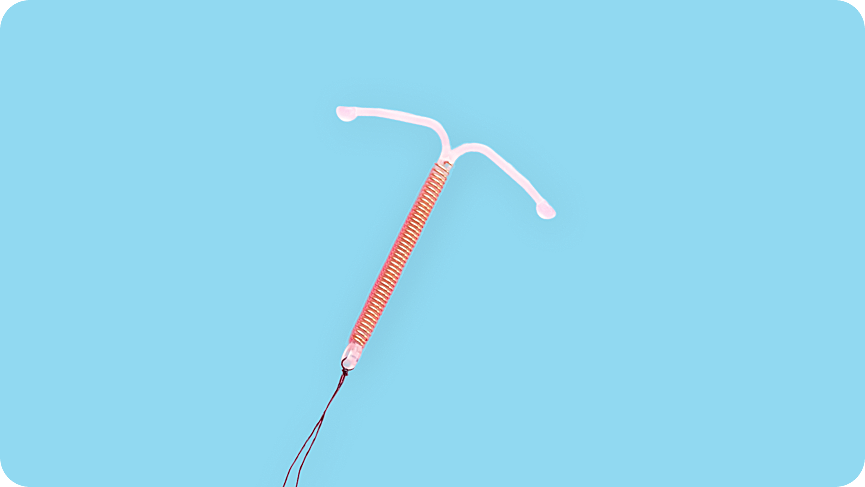
Intrauterine devices (IUDs) are long-term effective types of contraception, commonly known as a coil. They can be a good option for women who are looking for a long-term birth control method. You will need to make an appointment with your GP to have an IUD fitted. The procedure can be uncomfortable, but is quick.
There are 2 main types of IUD:
Some of the similarities and differences are shown in the table below:
| IUS | IUD | |
|---|---|---|
| Hormonal? | Yes – progesterone | No – copper |
| How it works | 3 to 8 years | 5 or 10 years |
| STI protection? | No | No |
| Can it be used as emergency contraception? | No | Yes |
| Can it be used during breastfeeding? | Yes | Yes |
Both the hormonal and copper coils are more than 99% effective at preventing pregnancy, but they do not protect against STIs.
The IUS and IUD can cause heavier or irregular periods and intense cramps, particularly in the first few months after insertion. The effects can make them difficult to tolerate for some people.

Some couples prefer to rely on natural contraception methods, which rely on your understanding of and tracking your body’s natural fertility signs to avoid pregnancy. Unlike hormonal or barrier methods, they do not involve physical devices, pills, or patches, but instead rely on behaviour or awareness of the menstrual cycle.
The NHS states that perfect use of natural birth control is 91 to 99%, but is more like 76% for typical use. There are 2 common natural contraception methods that you can try to prevent pregnancy.
Fertility apps use algorithms to track various fertility signs. Factors like body temperature, cervical mucus, and the start date of your cycle are all indicators of your fertility status and can be used to predict ovulation. By predicting their fertile window, users can choose to avoid unprotected sex or use additional forms of contraception during this time to prevent pregnancy.
Pregnancy – If used incorrectly or the cycle data is not accurately recorded, there is a risk of pregnancy. Misinterpreting data and inconsistent tracking can also lead to missed fertile days or incorrect predictions.
STI risk – Fertility tracking apps do not provide any protection against STIs. Condoms should be used to provide STI protection.
Pros of fertility tracking:
Cons of fertility tracking:
Fertility apps are easy to use, but they require a daily commitment to logging data accurately for optimal results.
The withdrawal method involves a partner withdrawing their penis from the vagina before ejaculation. This method relies on self-control and timing, and its effectiveness is largely reliant on how well it is practised.
Pregnancy – The risk of pregnancy is higher with the withdrawal method because pre-ejaculate can contain sperm, potentially leading to pregnancy even before ejaculation has occurred.
STI risk – The withdrawal method does not protect you against STIs, so condoms should be used alongside the withdrawal method.
Pros of the withdrawal method:
Cons of the withdrawal method:
Although it is simple to practice, the withdrawal method requires both partners to effectively communicate and have a clear understanding of timing. It’s not for everyone and can be difficult for some individuals to master, and there’s the risk of failure because of human error.

Permanent contraception or sterilisation is a surgical option available for both people with penises and vaginas, but it is only recommended if you are certain that you do not wish to have children.
Tubal ligation, also known as getting your tubes tied, is a surgical procedure for people with vaginas where their fallopian tubes are either tied, blocked, or cut. This procedure prevents eggs from travelling from the ovaries to the uterus, preventing sperm from reaching the egg, and effectively stopping the possibility of pregnancy.
Tubal ligation is more than 99% effective, does not affect your hormones, and you’ll still get periods. However, it is a permanent solution and comes with some disadvantages, including:
A vasectomy is a surgical procedure for people with penises where the tubes that carry sperm from the testicles to the urethra, called the vas deferens, are cut, tied, or sealed. This stops sperm from mixing with semen and being ejaculated during sex to effectively prevent pregnancy.
The procedure is simple and does not require you to stay in the hospital afterwards. In extremely rare cases, the connection between the tubes can grow back, meaning the man can become fertile again.
The pros and cons of a vasectomy are shown in the table below:
| Pros | Cons |
|---|---|
| ✓ More than 99% effective | ✗ A permanent solution that may be reversed but is not always successful and can be costly |
| ✓ Hormones, sex drive, and sexual performance are unaffected | ✗ Low-risk but still the possibility of complications such as infection, bleeding, or swelling after the surgery |
| ✓ A quick procedure with relatively short recovery time | ✗ Some may regret the decision later on |
| ✓ No ongoing costs or maintenance | ✗ No STI protection |
Emergency contraception is a birth control method that can be used to prevent pregnancy after unprotected sex or contraceptive failure, such as condom breakage or missed pills. It’s usually most effective if used as soon as possible after the event, but can be used for a few days afterwards, depending on the method.
Emergency contraception is not intended to be a regular form of contraception, but a backup in case of contraception failure or misuse. There are 2 main types available: the emergency contraceptive pill and the copper IUD.
Also known as the morning after pill, emergency contraceptive pills work by stopping your ovaries from releasing an egg. They contain either ulipristal acetate or levonorgestrel as their active ingredients.
At Superdrug Online Doctor, we offer the following morning after pills:
| Brand name | ellaOne | Levonorgestrel / Levonelle / LoviOne |
|---|---|---|
| Active ingredient | 30mg of ulipristal acetate | 1.5mg of levonorgestrel |
| How it works | delays the release of an egg stops sperm from reaching and fertilising it |
|
| When to take it | As soon as possible, but up to 5 days after the event | As soon as possible, but up to 3 days after the event |
| Effectiveness | 98% up until day 5 (the last day you can take it) | 97% if taken within the first 12 hours, or 84% if taken within 72 hours |
| Side effects |
|
|
The copper coil can also be used as an emergency contraception if inserted by a doctor or nurse within 5 days after unprotected sex.
The copper IUD is a highly effective method of emergency contraception and is 10 times more effective than emergency contraceptive pills.
Side effects caused by the copper coil are rare, but can include:
Contraception is a vital aspect of reproductive and sexual health, giving you the ability to prevent pregnancy. There are many different types of contraception available, including hormonal, non-hormonal, barrier, and natural methods, as well as emergency options if a contraceptive failure or unprotected sex occurs. For those who are sure they do not want children or who do not want any more, permanent options like getting your tubes tied or a vasectomy may be suitable alternatives.
Each method varies in the way it works, its effectiveness, potential side effects, and whether it provides STI protection. Some methods require a prescription from a doctor, others are available over the counter, while some require insertion or administration by a trained healthcare professional. It’s important to consider your individual health, lifestyle, and personal preferences when selecting a birth control method.
For more detailed information, please explore the links below.
The safest method of contraception will depend on your circumstances, your current health, family history, and allergies. Therefore, it is important to discuss the right contraceptive method for you with a doctor before starting treatment.
Male condoms are perhaps the ‘safest’ option because they have few to no side effects, although a latex allergy is possible. They also protect you and your partner from STIs. However, it is important to note that lambskin types may not offer the same protection as latex condoms.
Using a combination of contraceptives that are safe to use together can give you the lowest chance of unwanted pregnancy and protect from STIs too, if one of those methods is condoms.
Several types of contraception can either stop your periods completely or make them lighter or less frequent, including progesterone-only methods like the mini pill, implant, injection, and the hormonal IUD (coil). Equally, if you take the combined pill back to back (known as continuous pill taking) or use the patch or vaginal ring continuously, you will not experience a withdrawal bleed.
Several contraceptive options are available over the counter from most UK pharmacies, including condoms, the emergency contraceptive pill, and some mini pills, like Hana. or Lovima.
Yes, contraception is available for free through the NHS in the UK. Contraception, including emergency contraception, is available for free from some GP surgeries, sexual health clinics, and some pharmacies.
The best birth control method will depend on your individual needs and preferences. What is most effective for one person may not be the most suitable option for you, but there are plenty of effective options to choose from.
To make it easier for you to decide, here’s the effectiveness of each method based on typical use vs perfect use according to the NHS, in order of effectiveness:
| Contraceptive type | Effectiveness for perfect use | Effectiveness for typical use |
|---|---|---|
| Implant | Over 99% | Over 99% |
| Hormonal coil (IUS) | Over 99% | Over 99% |
| Copper coil (IUD) | Over 99% | Over 99% |
| Injection | Over 99% | 94% |
| The pill (combined and mini) | Over 99% | 91% |
| Patch | Over 99% | 91% |
| Vaginal ring | Over 99% | 91% |
| Male condoms | 98% | 82% |
| Female condoms | 95% | 79% |
| Natural methods (family planning) | 91 to 99% (estimated) | 76% |
| Diaphragms and caps | 92 to 96% (estimated) | 72 to 79% |
It’s important to research the different types of contraception available or discuss your circumstances with your doctor or nurse to find the most suitable option for you. You can start a contraceptive consultation with one of our doctors to help you decide which contraceptive method is best for you.
The most likely birth control method to fail when considering typical use is natural family planning when used as your only method of contraception, including the withdrawal method or fertility tracking apps. With perfect use, they are estimated to be 91% to 99% effective, but with typical use, such as failing to withdraw or not tracking your cycle properly, this is likely to be closer to 76%.
However, all types of contraception will be less effective if they are not used perfectly, increasing the risk of pregnancy.