
Antibiotics
In stock
from £21.50
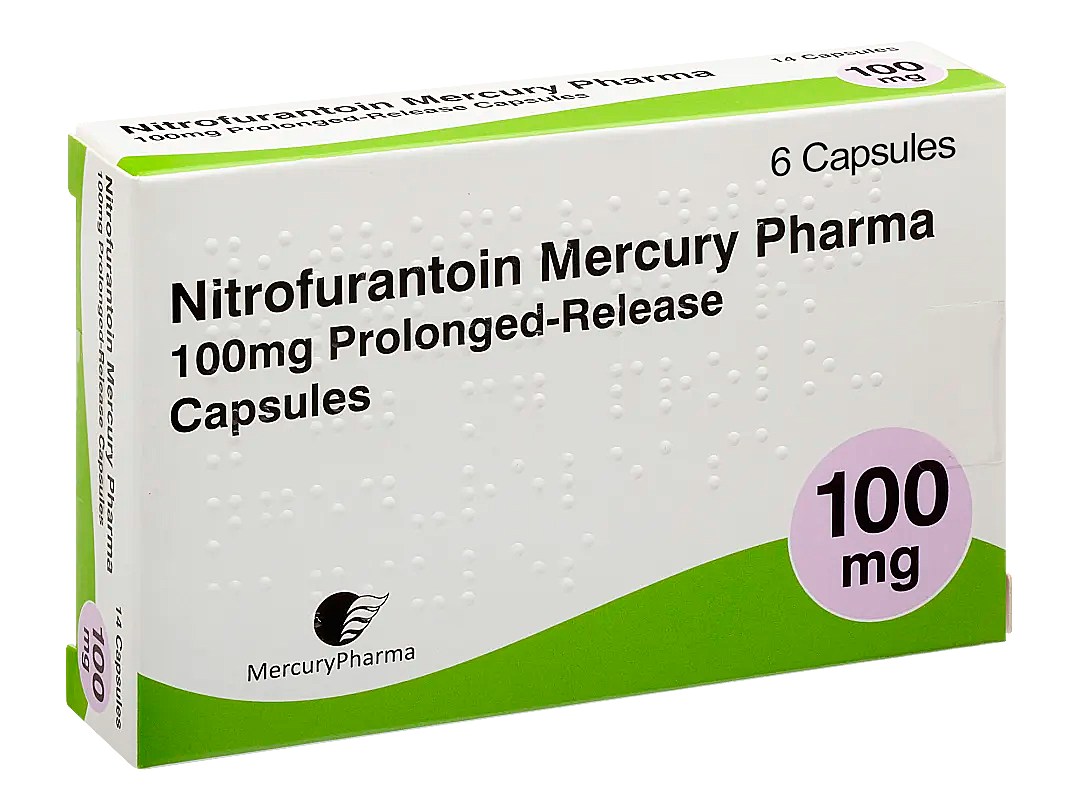


Cystitis is a common infection of the bladder that can be painful or irritating and, in some cases, can become more serious if the infection spreads to the kidneys. We provide antibiotics to treat cystitis. This antibiotic is highly effective in treating bladder infections; symptoms usually improve within 24 hours.
If you are ordering a TestCard, check your device is compatible beforehand.
from £21.50


Cystitis is an inflammation of the bladder, which is usually caused by a bacterial infection. It is the most common urinary tract infection (UTI) and is more common in women. Most cases are mild and often get better within a few days. Some people get cystitis on a regular basis and may need long term treatment or prevention.
Interstitial cystitis is a poorly understood condition, with bladder inflammation that causes pain, pain in the pelvis, and pressure in the bladder. The pain can be mild to severe. It can also make you want to urinate more often, and in smaller amounts.
The main cause of cystitis is when the bacteria that lives in your bowel and on your skin, gets into the bladder. It gets in through the tube that is responsible for removing the urine from the body, known as the urethra.
The main cause of cystitis is when certain bacteria, which usually live in your bowels or on your skin, get into your bladder and cause an infection. These bacteria infect the bladder by travelling up the urethra. Cystitis is a lot more common in women because the urethra is shorter, so the bacteria has a shorter distance to travel to cause a bladder infection.
Some of the other things that can increase your risk of cystitis include:
Some people get cystitis often, which is known as recurrent cystitis. This when you get more than one infection in a 6 month period.
The most common reasons for getting cystitis on a regular basis, include:
Cystitis is not a transmitted disease (STD), but having intercourse does increase the risk of a bladder infection in women.
Yes, men can get cystitis. However, cystitis is a lot more common in women as it is easier for bacteria to reach their bladder.
The symptoms of cystitis in men is similar to women, and includes:
Common symptoms of cystitis include:
Cystitis can cause confusion in seniors. This is because our immune systems change as we age, making it respond differently to infection. Many seniors will suffer from confusion, withdrawal, loss of bladder control, and anxiety (rather than pain).
If you are unsure on whether you have cystitis, you can use a UTI test. The UTI test card is very easy to use at home. It works the same as other test strips, except this uses an app on your phone to give you a diagnosis.
This helps you find out quickly if you have cystitis or not. Collect your urine in a clean container and do not allow it to come into contact with any dirty surface. Dip the test card UTI strip into the sample and scan the QR code on the UTI strip. You will receive results quickly on your phone, telling you if you need treatment. If you have cystitis, the doctors can recommend the right treatment with expert advice.
Antibiotics are the most effective way to get rid of cystitis, but UTIs can sometimes clear up on their own without treatment.
Cystitis symptoms usually go away within 48 hours after your treatment begins. If the infection spreads to your kidneys then it will take longer for your symptoms to go away, usually more than a week. In this case you need to speak to a doctor if your symptoms are not gone within 48 hours, as it may be a sign that you need a different treatment.
Some cases of cystitis can go away on their own without antibiotics, usually within a week. But if you do not get treatment and your cystitis does not clear up, then you may find your infection gets worse and it will take you longer to recover.
Depending on your health and your symptoms, you may be advised to use self-care measures like drinking plenty of water. If the doctor thinks you need treatment, antibiotics are usually the first course of treatment, because they are effective at killing the bacteria that causes the infection.
You will need to take antibiotics for at least 3 days. This might be a bit longer if you have a severe infection or for certain groups of people, like if you are pregnant. Always finish the full course of antibiotics to make sure that your infection goes away completely.
Antibiotics are the fastest and most effective way to treat cystitis in women. You will find relief from burning and pain within 1 to 3 days. It takes a bit of time for it to go away completely, as the antibiotics do not work instantly. To help speed up this process you should drink plenty of water, pass urine as often as you need to, and avoid drinking coffee, alcohol, citrus juices and sugary drinks.
The best treatment for cystitis is antibiotics. Clinical studies have shown that antibiotics are up to 92% effective in treating cystitis, and only 3% of samples of the bacteria that cause cystitis showed resistance to this treatment.
There is no treatment that will stop cystitis for good, but you can take preventative measures which will reduce the risk of the bladder infection coming back.
These measures include:
Because cystitis is uncommon in men, it can be more serious or indicate another problem, so must be treated with antibiotics straight away. You must visit your doctor to get an assessment and antibiotics. Make sure you drink plenty of water and do not have intercourse until all your symptoms have gone away. Take ibuprofen or paracetamol for pain.
We do not offer treatment for cystitis for men, as they cannot be treated online but must have an assessment with a doctor in person, and a urine sample. If you think you may have a bladder infection and you are male, you must visit your doctor for treatment.
Antibiotics work to treat cystitis by stopping the cells of the bacteria from forming properly, killing them off.
Swallow the tablets whole with water and make sure to take them with food. If you are taking antacids (like heartburn tablets) tell your doctor, as some can stop them from being absorbed in your body.
Make sure you finish your entire course of treatment, even if you do not have any symptoms. If you stop taking your treatment early then the bacteria may continue to grow, which means the infection will come back quickly.
The common antibiotics used to treat cystitis can take 1 to 3 days to relieve the symptoms. Clinical studies have shown that antibiotic treatment is effective at clearing up cystitis in up to 92% of cases.
Antibiotic treatment will clear up cystitis within 3 days. If it takes longer than this for your cystitis to go away, then you should speak to a doctor for further treatment, as it may mean the infection is more severe. Antibiotic treatment also does not prevent cystitis from happening in the future.
Antibiotics will help reduce the symptoms within 1 or 2 days. If you have bad cystitis with a temperature and back pain, this indicates a severe infection that may be affecting your kidneys. You must talk to your doctor and they can advise the best treatment. You may have to take the treatment for up to 14 days.
You should not really have intercourse until all of the symptoms have cleared up, which could take a different amount of time for everyone. Having intercourse while you still have symtpoms can just irritate the infection and make it worse.
There are some over the counter cystitis treatments you can try. Remember that if your symptoms carry on for more than 3 days, you should speak to a doctor to see if you need antibiotics.
Cystitis sachets can be purchased over the counter and contain sodium citrate or potassium citrate, which help relieve cystitis symptoms. The sachets reduce how much acid you have in your urine, which stops the burning. The cystitis sachets do not kill any bacteria or fight infection, all they do is hide the symptoms, making them easier to manage. They can be bought at most pharmacies without a prescription.
One of the common cystitis treatments is drinking cranberry juice or taking cranberry supplements, which helps get rid of your symptoms. There is thought to be an ingredient in cranberries which can prevent the bacteria attaching to the wall of your bladder. The evidence for this is mixed.
Pain and burning are the most common symptoms of cystitis. You can take over the counter medicines, such as aspirin, paracetamol or ibuprofen to help with pain caused by cystitis.
Antibiotic treatment for cystitis is only available on prescription, so you cannot get it over the counter from a pharmacy without a prescription. You can get a prescription online with Superdrug Online Doctor.
Cystitis treatment, as with any antibiotic, can cause side effects. The side effects you may suffer from include:
When taking cystitis treatment you should speak to your doctor if you:
Any mild side effects should go away once you finish the full course of antibiotics. Seek emergency medical treatment if you show signs of an allergic reaction to the medicine, which can include problems breathing, swelling of your face or throat, and rashes.
If you get a sore throat, burning eyes, temperature or a rash, speak to your doctor right away.
While antibiotics are the fastest and most effective way to clear up cystitis, there are other methods you can try to help reduce your symptoms. These include drinking more water, trying some remedies, or using over the counter treatments.
The fastest way to get rid of cystitis is with antibiotics. There are some home remedies you can try while you wait for your antibiotics to start taking effect.
You can try the following, which may help:
Most of the time, in women who are not pregnant, cystitis is not serious and symptoms usually improve within 1 to 3 days of taking antibiotics. Not all cystitis will clear up with antibiotics, causing the bacteria to continue growing. Speak to your doctor if the antibiotics are not giving you relief.
There are some things you can do to relieve the symptoms of cystitis, like:
To prevent a UTI you can:
